Space Tourism: Making Orbital Flights More Accessible and Affordable in 2025
Space tourism is transitioning from a niche luxury experience to a viable and structured industry. As technological advancements reduce costs and regulatory frameworks improve safety and sustainability, orbital travel is becoming increasingly accessible to civilians. By 2025, the space tourism market is projected to surpass $8 billion globally, fueled by innovations in space transport systems, space adventure packages, and a growing portfolio of offerings from space tourism companies.
Once considered an extravagant pursuit for the ultra-wealthy, space tourism is now embracing broader participation. Individuals are actively booking spacecraft experiences, exploring space hotels, and incorporating space travel insurance into their plans. New developments in suborbital flights, spaceports for tourists, and spaceflight training programs are redefining what it means to travel beyond Earth’s atmosphere.
This article examines how orbital flights are becoming more affordable, the critical role of private space missions, the key innovations transforming the industry, and the ethical and operational challenges that remain. Additionally, it explores the future of training, insurance, and global participation in space tourism.
What Are Space Tourism Regulations?
Space tourism regulations form the backbone of this emerging sector, ensuring the safety, legality, and sustainability of civilian space travel. These regulations provide guidelines on licensing, passenger safety, environmental stewardship, and liability coverage.
Key Elements:
-
Licensing for spacecraft operators and launch facilities.
-
Safety protocols during pre-flight, in-flight, and landing phases.
-
Environmental protection standards to mitigate orbital debris.
-
Insurance and liability frameworks tailored to civilians.
-
Coordination between international space agencies.
Quick Takeaways:
-
Protects both operators and travelers.
-
Supports sustainable and responsible space exploration.
-
Encourages innovation by clarifying operational requirements.
-
Provides legal certainty for expanding space markets.
For example, the Federal Aviation Administration (FAA) in the United States oversees licensing and safety for commercial spaceflights, while the European Space Agency is collaborating with private enterprises to develop cross-border regulations that ensure safe orbital tourism.
Learn how global space tourism regulations are shaping the industry.
Why Private Space Missions Are Crucial in 2025
Private space missions are revolutionizing access to space by providing civilians with structured, cost-effective travel experiences. These missions are spearheading technological innovation and opening new revenue streams.
Industry Insights:
-
Over 50 commercial spaceflights have been conducted since 2001, with the majority launched in the last decade.
-
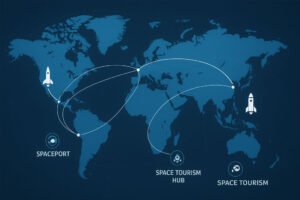
Market forecasts estimate orbital tourism could serve up to 1 million travelers annually by 2030 if infrastructure and costs continue to improve.
-
Countries like India and Japan are investing heavily in public-private partnerships to foster space-based tourism and research initiatives.
Regional Perspectives:
United States:
Companies such as SpaceX and Blue Origin are setting industry standards with reusable rockets, integrated spaceflight training programs, and tailored space travel insurance offerings that ensure safer and more affordable experiences.
Europe:
Collaboration between governments and industry leaders is advancing eco-friendly propulsion technologies and standardized regulatory frameworks that support long-term sustainability.
Asia:
With growing investments in spaceports and spacecraft development, countries like India are reducing entry barriers, offering cost-efficient orbital experiences to a wider demographic.
Discover how private space missions are driving accessibility in space tourism.
Key Innovations Powering Orbital Tourism
Sustainable Space Travel
As space tourism grows, so does its environmental impact. Companies are actively investing in technologies that reduce emissions, enhance propulsion efficiency, and manage space debris.
Industry Example:
SpaceX’s Falcon 9 is a leader in reusable launch technology, significantly lowering per-flight costs and carbon emissions.
Space Tourism Companies
Innovative companies are designing comprehensive travel packages that include health assessments, training modules, and entertainment experiences at prices that reflect economies of scale.
Industry Example:
Virgin Galactic offers structured zero-gravity flights, while Axiom Space is developing luxury space hotels with research and wellness facilities for extended stays.
Space Adventure Packages

Tailored experiences now accommodate scientific exploration, entertainment, wellness retreats, and educational programs, offering travelers more than just a ride to space.
Industry Example:
Orion Span’s Aurora Station promises multi-day stays with personalized health plans and guided entertainment for civilians in orbit.
Space Transport Systems
The development of advanced propulsion systems, reusable rockets, and automated navigation ensures safer and more efficient space transport.
Industry Example:
Blue Origin’s New Shepard capsule incorporates onboard health monitoring and interactive systems that support passenger comfort and safety during suborbital flights.
Explore how innovations in space transport are transforming civilian space travel.
Challenges and Ethical Considerations
As the space tourism industry expands, it faces numerous technical, regulatory, and ethical challenges that must be addressed to ensure equitable and responsible growth.
Challenges:
-
High costs still limit mass adoption.
-
Gaps in global regulations could hinder safety and liability.
-
Space debris and pollution remain significant environmental concerns.
-
Ethical questions arise regarding privatization and access inequality.
Expert Perspective:
Dr. Elena Verma, an aerospace policy analyst, notes, “While orbital tourism presents exciting opportunities, sustainability and equitable access must guide future policies and investments.”
Public opinion reflects cautious optimism: surveys indicate that while 68% of potential travelers are enthusiastic, 52% remain concerned about affordability and environmental risks.
The Future of Spaceflight Training Programs and Space Travel Insurance
With increased participation, structured training and insurance are becoming essential pillars of space tourism.
Forecasts:
-
Investment in spaceflight training programs is expected to exceed $1.2 billion by 2029.
-
The space travel insurance market is growing at a compound annual rate of 18%, with products covering medical emergencies, equipment failure, and liability.
Regional Developments:
United States:
Health assessments and tailored training protocols are being integrated into travel offerings to enhance passenger safety.
Europe:
Collaborative insurance models are emerging to lower costs and ensure consistent safety protocols across borders.
Globally:
Virtual reality simulations and telemedicine are being used to train travelers, while new counseling services address the psychological aspects of spaceflight.
Learn more about how training and insurance frameworks are shaping the future of space tourism.
FAQs on Space Tourism
Q: What factors are driving affordability in space tourism?
A: Innovations in reusable rockets, increased competition, and structured training and insurance models are helping reduce costs while enhancing safety.
Q: Are space hotels operational today?
A: While fully operational hotels are still under development, companies like Axiom Space and Orion Span are creating infrastructure that integrates research, wellness, and entertainment for travelers.
Q: How is space travel insured?
A: Insurance covers health, accidents, and equipment damage, with new policies tailored specifically for civilian space missions.
Q: Why are spaceflight training programs essential?
A: They ensure passengers are medically fit, psychologically prepared, and adequately trained, reducing risks and enhancing mission success.
Q: How can space tourism remain sustainable?
A: Through reusable propulsion systems, responsible debris management, and eco-friendly energy solutions, the industry can minimize its environmental impact.
Q: Are zero-gravity flights safe for civilians?
A: Yes, with proper training, onboard health monitoring, and advanced safety protocols, zero-gravity experiences are now accessible and secure for civilian travelers.
Recommendations
Orbital space tourism is entering a new era—one where affordability, safety, and sustainability are no longer mutually exclusive. Through technological advancements, regulatory clarity, and collaborative investments, orbital travel is becoming a structured experience that civilians can access with confidence.
Key Takeaways:
-
Adopt comprehensive training programs to ensure passengers are medically and psychologically prepared.
-
Invest in space travel insurance to mitigate risks associated with orbital tourism.
-
Support sustainable space travel initiatives to protect the space environment and ensure long-term viability.
Stay informed on the latest trends in technology and remote exploration. Subscribe to our newsletter for expert insights, and explore partnership opportunities to position your brand at the forefront of space tourism innovation.